


Tweet I have been blessed to witness what I consider extremely fast growth in several churches, since entering full-time vocational ministry. In church planting and church revitalization we have seen…
Tweet I have been blessed to witness what I consider extremely fast growth in several churches, since entering full-time vocational ministry. In church planting and church revitalization we have seen…

Tweet I talk to pastors and leaders my age and older who want to see a new generation of leaders on their team. They claim to love investing in younger…

Tweet John Maxwell says leadership is influence. If that’s true, then how does a leader develop influence with the people he or she leads? I have had the opportunity to…

Tweet In my experience, and some I learned the hard way, there are a few killers of good leadership. I decided to compile a list of some of the most…

Tweet I was in a hurry to get to a meeting across town and traffic was horrible. I decided to take a shortcut. I had been the new way only…

Recently I posted “Leader, Strategically Keep Thy Mouth Shut”. The title was startling perhaps, but the principle is important. I wrote the post to encourage leaders to think strategically, especially when making quick decisions. Many times a leader says something or does something in a quick response which can negatively impact other people or the organization. Sometimes it is best to say nothing until the best answer can be decided. This often requires the work of more than just the leader answering the questions. One reader asked me to expand on the phrase “thinking strategic in the moment”; specifically how I do that.
Again, it should be understood that this post addressed decisions which should require some thought. Most leaders make hundreds of decisions a day and many of those require very little thought. If a leader is asked a question where an answer has already been clearly defined then the leader can answer quickly. When the issue, however, has an undetermined answer, especially if the answer could alter the direction of the organization, impact other people or require a change in the organization’s finances, then the leader needs to learn to think strategically in the moment. That may result in saying nothing at the time.
With that in mind, how does a leader think strategically in the moment? Here are 5 thoughts of how I do this:

Tweet I have learned many times, as leaders, we are blindfolded by the experience we have gained over the years. Here’s what I mean. We falsely assume everyone knows what…

Tweet I encounter many leaders who claim to want delegation to be a part of their leadership. They know the value, but they are often frustrated with the results they…
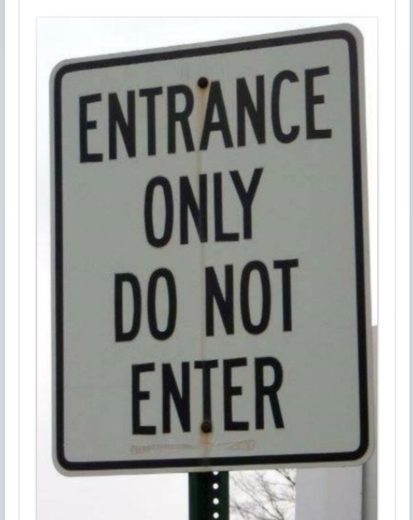
Tweet I’ll be honest. I’m not a huge fan of most policies. It may be because I’m not a very good rule follower, but I honestly don’t think many policies…
Tweet In her book “Unleashing the Power of Rubber Bands”, Nancy Ortberg talks about the need to differentiate between “a tension to be managed and a problem to be solved“….