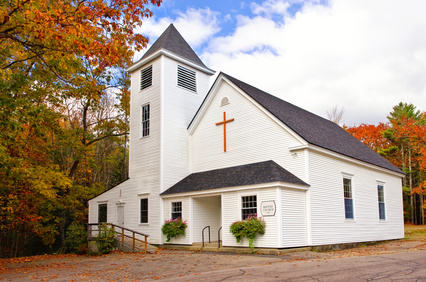
Church revitalization has unique priorities in order to be effective.
You have to be intentional in any leadership position. I learned as a church planter that intentionality goes a long way. When you are starting something new, almost everything is a decision. You are creating culture, establishing systems and deciding what matters most.
Church revitalization is a whole other level.
You aren’t starting with a blank page.
But sometimes you inherit rules no one remembers creating but everyone seems to know when you break one.
Obviously, prayer and the work of the Spirit of God are the most important parts of anything we do as church leaders. We cannot manufacture spiritual health. At the same time, I believe God uses the minds, creativity, experience and leadership of His people.
Good leadership matters.
And in revitalization, there are some things you simply cannot afford to leave to chance.
I get asked continually where a revitalization leader should focus his or her attention. You can’t personally manage everything. In fact, trying to do so is probably one of the fastest ways to become ineffective.
But there are some areas where you need to be extremely intentional.
Here are 7 of them:
1. Keep the big picture in view.
One of the easiest mistakes in revitalization is getting buried in the weeds.
And there will be plenty of weeds.
Someone wants to talk about the bulletin. Someone else is concerned about the parking lot stripes. There is a committee that hasn’t met in three years but apparently still needs a chairman.
Every issue can begin to feel urgent. It isn’t.
You cannot do everything or be everywhere. Let me say that again – You cannot do everything or be everywhere.
One of the leader’s most important jobs is to keep asking – What matters most right now?
I have found that most seasons only have three to five objectives that deserve our greatest energy.
There will always be interruptions. Jesus allowed interruptions in His ministry, but He also didn’t heal every person or solve every problem.
Know what deserves your attention in this season and keep bringing the organization back to it.
2. Implement change strategically.
Revitalization requires change. If nothing changes, nothing is being revitalized.
But knowing something needs to change and knowing how to change it are two very different leadership skills.
Start by defining the actual problem. Too often churches solve symptoms rather than problems. We change a program when the real issue is culture. We change a service time when the real issue is effectiveness. We restructure a team when the real problem is leadership.
Define the problem first. Then determine the steps necessary to move forward.
Ask:
A simple stakeholder analysis can save you enormous grief.
Being strategic doesn’t mean avoiding hard changes. It means positioning change so it has the greatest opportunity to succeed.
3. Be intentional about who joins the team.
This includes paid staff, but it also includes key volunteers and influential leaders.
People shape culture. In fact, during revitalization, every person you add to the team is helping determine what the future culture will become.
If you are considering a revitalization role, I would even encourage you to negotiate some ability to influence staffing decisions before you accept the position.
You don’t have to make every hiring decision yourself. I don’t think you should. But you need a meaningful voice in shaping the team.
You cannot consistently move an organization toward a new future with a leadership culture committed to preserving the old one.
4. Understand and honor the history.
Never assume everything before you arrived was wrong. That’s not only inaccurate. It’s arrogant. Established churches have stories. Some of those stories should be celebrated.
There were seasons when people sacrificed greatly, took bold steps of faith, reached people and trusted God with things that seemed impossible at the time.
Find those stories.
Especially in the early days, but even now, I have spent so much time looking through church history because I wanted to understand not simply what happened, but who this church had been at its best.
Often revitalization isn’t about inventing something completely new. It is helping people rediscover the courage, faith and mission that were already part of their healthiest history.
Of course, some history needs more than celebration.
Honor what should be honored.
Own what needs to be owned.
Then help the church write its next chapter.
5. Lead according to the season.
Every season of revitalization is different.
There are seasons when you can push harder.
Seasons when the church is tired and you need to slow the pace.
There are seasons of tremendous momentum when you should lean into what God is doing.
And seasons of grief or conflict when another major change probably doesn’t need to happen next Tuesday.
Good leaders don’t lead every season at the same speed. Pay attention to the emotional temperature of the church.
Change creates real emotions.
People may know a change is necessary and still grieve what they are losing. Sensitivity isn’t weakness. It is leadership.
You can be humble without losing direction. You can care about how people feel without surrendering what needs to be done.
6. Anticipate the landmines.
Great leaders learn to anticipate the question that hasn’t been asked yet. Every established church has landmines. Some are obvious. Others remain buried until you step on them.
It could be the buffet cabinet in the parlor.
The order of worship.
A room no one is supposed to change.
A ministry that stopped being effective twenty years ago but still has someone’s mother’s name attached to it.
No one tells you these things are sacred – they may not have known until you touched them.
This is one reason listening matters so much in the early days of revitalization.
This doesn’t mean you can never move the cabinet. It means you’ll be better prepared when you do.
7. Know which things are really big deals.
You don’t get to excellence by celebrating mediocrity.
Some things need to improve. There are decisions that need to be made. Some hard conversations cannot be avoided.
But not everything matters equally.
One leadership discipline that has helped me is what I call tiers of leadership. I mentally sort issues into categories.
Revitalization leaders have limited time, energy and leadership capital. Spend them wisely.
An established church can consume your entire calendar fixing things that won’t produce any meaningful fruit. Don’t let it.
You may desperately want to fix twenty things.
Pick the three or four that matter most. Build momentum there. Then move to the next tier.
One final thought
Revitalization requires a strange combination of patience and urgency. I always say that patience is a superpower in revitalization – and leadership, and life.
You have to be patient with people.
Patient with history.
Especially patient with the speed of change.
Patient when progress doesn’t happen as quickly as you hoped.
But you also need urgency about the mission. People still need Jesus. Communities continue to change.
And churches do not drift toward health. Someone has to lead.
Love the people. Honor the past. Understand the season. Choose the biggest priorities. Anticipate what might get in the way.
And then lead courageously toward the future God has for the church.
That is intentional revitalization.