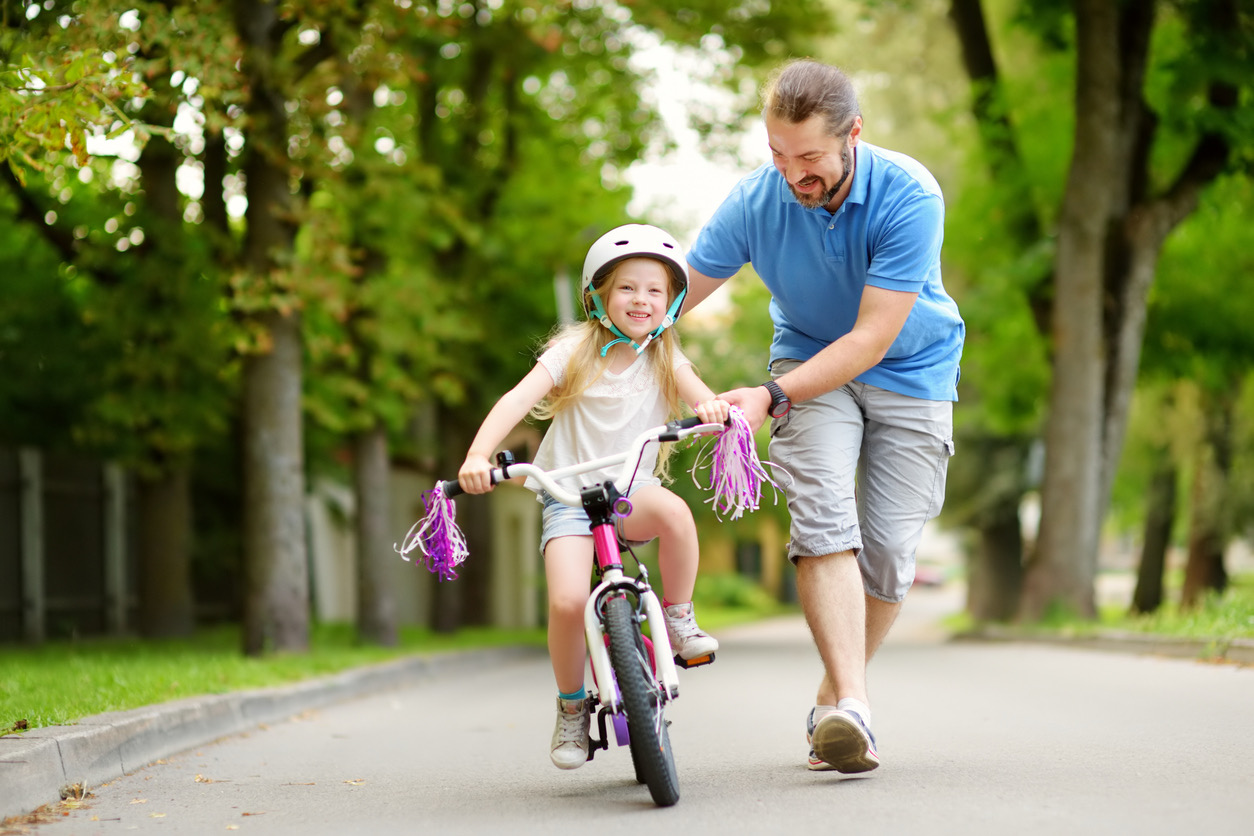
Good leaders let go of the bicycle seat.
Sometimes as leaders, we do something that actually keeps people from growing.
We hold their hands too long.
Think about teaching a child to ride a bicycle. At first, you run alongside them, holding the seat, helping them balance. You encourage them. You keep them from falling. But eventually, you have to let go.
They may wobble. They may even fall. But they’ll never learn to ride on their own if you’re always holding the seat.
The same is true in leadership.
Sometimes, in our desire to help people succeed, we actually keep them dependent upon us.
Here’s a simple example.
Suppose your team has a regularly scheduled meeting every week. Same day and time. Every week. Everyone knows about it.
Why do you need to send a reminder every week?
Most people will remember. They’ll show up because they’ve taken responsibility for their schedules.
For the few who don’t, have an individual conversation. Help them understand the expectation. Address the problem where it exists rather than creating another process for everyone.
Of course, reminders aren’t inherently bad. Neither is helping people. There are seasons when people need more direction, encouragement, and support. But there’s a difference between helping people grow and continually doing for them what they should be learning to do themselves.
I’ve learned that one of the hardest parts of leadership is knowing when to step back.
It’s often easier to make the decision yourself. Send another reminder. Follow up one more time. Double-check something you already delegated.
And sometimes those things are necessary. But if we’re not careful, we create a culture where people wait for us to tell them what to do next.
Then we wonder why no one takes initiative.
The truth is you can’t develop independent leaders while continually making them dependent on you.
Good leaders set clear expectations. They provide training and resources. They remain available to coach and encourage. And they hold people accountable.
But they also give people room to think, make decisions, solve problems, and occasionally make mistakes.
That’s how confidence develops. That’s how ownership grows.
And that’s how future leaders are discovered.
Leader, perhaps one of the best things you can do for someone on your team today is to stop doing something for them that they’re perfectly capable of doing themselves.
It might feel uncomfortable at first. For both of you. But remember, the goal was never to see how long you could hold the bicycle seat.
The goal was to teach them to ride without you.